
Ball Games Bonanza: Can You Score 100% on This Sports Quiz?

Introduction

Human beings have engaged with ball games for hundreds of years to see the combination of entertaining games with competitive athletic opportunities. Multiple factors that create complexity in these sports attract enthusiasts and competitors alike. The quiz acknowledges sports diversity by assessing worldwide ball game knowledge. This quiz tests your ball game knowledge level, no matter what your degree of fandom may be. Sports trivia provides an exhilarating experience for all who wish to explore it.

The History of Ball Games

Historical records show ball games emerged in ancient societies from Egyptian and Mesopotamian civilizations, followed by Mesoamerican communities. Alamac basketball represents Mesoamerica's most popular ancient ball game since players needed to throw rubber balls through stone rings to score. Various prehistoric cultures worldwide had ball games, which would evolve into modern sports as we know them today. These ball games served as rites which united with exhibition displays of strength and tactical abilities to represent universal pastimes focusing on round objects.

Popular Ball Games Around the World

Cultures across the globe have taken different forms of ball games and changed them according to their individual preferences. Soccer (football) is one of many prominent ball sports, along with basketball, tennis, baseball, and volleyball. Every ball game has distinctive playing rules that add to its uniqueness. All sports provide unique experiences through the rapid reactions of tennis matches, soccer intensity, and volleyball-based teamwork. The worldwide community celebrates all these games because they serve as endpoints that unite nations.

Football (Soccer): The King of Ball Games

Soccer or football controls the title as the most well-liked football competition in global sports. Two teams use 100-yard fields during matches, with 11 players on each side who seek to drive the ball across the opposing net for goals. Football spreads across the world, reaching vast numbers of professional leagues and their associated players and fans. The World Cup tournament, held every four years, remains the most-watched sporting event worldwide since it represents a major part of the ball game world.

Basketball: Fast-Paced and Thrilling

Basketball is a popular ball game with rapid play and tall scoring numbers. A space on each side of the rectangular court features an opposition hoop, which opposing teams must use a ball to hit while scoring. The athletic characteristics of speed, skill, and coordination define basketball as an active competition that players find challenging to perform, and spectators find thrilling to observe. Around the world, basketball has become recognized regularly, but specifically in the United States, where the NBA functions as a dominant professional institution which brings together elite international athletes.

Tennis: Precision and Endurance

Tennis players face tests that require them to demonstrate endurance, strive to hit precise shots, and remain mentally tough. The sport uses a rectangular court with a net, where players seek to hit balls over the barrier so these land within their opponents' zone. The game functions solo and in the doubles format, and athletes hit their balls with rackets. The world-class player rewards at major tournaments, including Wimbledon and the US Open, have made tennis one of the most famous ball games with a widespread public following.

Baseball: The American Pastime

Baseball remains a core American ball game spread across the United States and has won international fame worldwide in Japan and other territories. The play unfolds between two teams consisting of nine players, and players strike the ball with a bat before running through bases for run scoring. Baseball is a sport that depends on strategic thinking while offering players periods of concentrated focus between its methodical rhythm. Baseball secured its status within worldwide sports culture through its storied past with sports legends Babe Ruth and Jackie Robinson.

Volleyball: Teamwork and Agility

Two identical six-member squads compete against each other using a dividing net in volleyball, a team-based sport. The players must send the ball across the net to achieve points in the opponent's section. The game demands players to be agile and exhibit excellent teamwork with proper communication, which offers substantial rewards in play. Volleyball attracts strong nationwide interest, especially in Brazil and the United States alongside Russia, because professional Olympic volleyball demonstrates how players must work together to succeed.

Rugby: The Contact Sport

Rugby players participate in a strenuous ball sport that requires both tackling and vigorous physical contact. Both sides of 15 players face off against each other to drive the ball across their opponent's end zone to score a try. New Zealand, South Africa, and England maintain strong support for the sport, which received substantial historical development in these countries. Rugby presents three essential elements: toughness, which combines with strategy, and endurance through real physical contact during matches on both international and club levels.

American Football: A Strategic Showdown

Professional American football is among the highest-strategy ball sports, using distinct rules to produce thrilling gameplay. Twenty players compete against each other in a combination of strategic planning and physical endurance throughout the match. A team must move the ball toward the endpoint through regular plays of carrying or throwing. A team achieves points when players enter the opposing end zone or kick the ball between their posts. The Super Bowl achieves worldwide status since it attracts millions of international viewers.

Table Tennis: Fast and Furious

Table tennis goes by two names, ping-pong, which demands impressive reaction times and purposeful mental planning. The field setup includes a rectangular table separated by a net, so players hit lightweight balls which need to clear the net boundary with their paddles. Though beginners find it simple to acquire baseline skills, the sport becomes extremely challenging to execute at a high level because it requires exact movements, fast reactions and split-second judgments. The World Table Tennis Championships, among other tournaments, attract global competitors to play the widely popular Asian and European sports.

Handball: Quick Reflexes and Strategy

The physical sport of handball takes place most frequently inside playing facilities. A team of seven members attempts to score points by throwing the ball into their competitors' goal area. Handball attracts many players from European nations and global competitors, especially from Germany and Denmark. Sport play adopts offensive and defensive tactics, which enhance the gameplay excitement for spectators and athletes.

Cricket: A Bat-and-Ball Tradition

The primary goal during play consists of outscoring the opponent. The duration of cricket matches varies extensively from several days to only a few hours, especially in Test cricket. Sports of cricket maintain deep historical roots because international tournaments, including the ICC World Cup, attract massive local fan attendance.

Golf: Precision and Focus

Then stability outweighs speed since golf requires players to manage absolute precision alongside unwavering focus. The fact that golf players frequently compete as individuals who aim at personal performance improvements sets this sport apart from others. Golf has gained extensive worldwide popularity through major events such as The Masters and the British Open while retaining its popularity through athlete greats such as Tiger Woods.

Badminton: Fast and Furious Action

Badminton permits fast-paced playing at venues that support both indoor and outdoor setups. During this game, two or four players use rackets to move shuttlecocks across the net, aiming shots at their adversaries' side. Shuttlecock speed requires players to demonstrate fast reactions and agility along with continuous endurance because of the shuttle's rapid flight. The performance of elite badminton skills shines most brightly in Asian countries, especially China and Indonesia. Badminton competition at the Olympics displays extreme athletic contests between competitors demonstrating exceptional expertise.

Conclusion

People throughout the world continue to find ball games irresistible. These three sports represent one universal language that connects players worldwide because football rules the worldwide scene, basketball explodes with high-speed action, and tennis displays exquisite control. Different ball games have become so popular because players achieve mastery through either physical or strategic abilities. The sports quiz exists to honour the extensive background and lively appeal of different ball games that compose the foundation of sports worldwide.

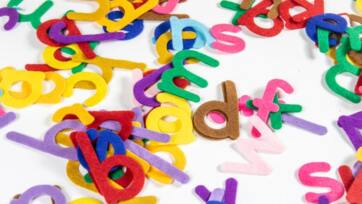
Why Daily Math Quizzes Improve Confidence in Elementary Students
Introduction Student academic success becomes achievable through developing their confidence during educational development processes. Elementary school students require thorough knowledge across different subjects, yet mathematics is especially challenging. The students' mathematics comprehension improves with their confidence when they take daily quizzes. A consistent quiz approach provides benefits beyond mathematics skills that strongly develop student trust in their ability to succeed. The article examines how routine math quizzes enhance student confidence at the elementary school level and the relevant reasons for their necessary inclusion in educational practices. Developing a Regular Schedule along with an Emotional Baseline Establishing daily math quizzes is fundamental for early learners because consistency helps manage their training. Students develop a stable learning environment through daily exposure to math problems. Elementary students find daily math quizzes reassuring since they show that math is not separate from daily practice but a fundamental skill they should regularly improve. Getting familiar with quizzes improves student self-ownership in their educational progress since they recognize what to study and when to test their knowledge. Students develop stronger confidence since they understand their expectations and can handle upcoming difficulties better. Boosting Memory Retention Through Repetition Mathematics mastery requires students to practice through repetition since it is a fundamental aspect of learning school subjects generally. Students gain the opportunity to practice their learned material through daily math quizzes, which create frequent learning opportunities each day. Students who encounter the material multiple times via this method develop better memory retention because it helps establish long-term knowledge retention. Improving mathematical memorization and application leads students to experience achievement and success. Their academic growth from thoroughly mastering content enables them to view upcoming academic tasks optimistically. Reducing Anxiety Around Math Many elementary school students experience widespread anxiety when it comes to math. When students fear committing errors or confusion about course material, they become disconnected from the learning subject. Children who participate in daily math quizzes gain practice in a stress-free environment which avoids large test pressure. The habit of solving math problems and encountering errors during these exercises leads to normal behaviour for students. Through quizzes, students learn mistakes are natural to the learning process and, therefore, develop increased confidence in solving problems. The system allows both students and teachers to obtain an immediate understanding of success or mistakes. Daily math quizzes enable instructors to deliver quick and thorough feedback to students as their main benefit. After taking quizzes, students can immediately recognize their weak points, which provides instant results. Students can immediately learn from their misinterpretations and develop their skills right after taking the quiz through an immediate feedback system. Students better understand their educational strengths and weaknesses by seeing their mistakes while working to fix them. Continuous self-improvement helps students build their confidence and better command of their academic development. Promoting Incremental Progress The structure of mathematics requires students to construct knowledge from present learnings to advance deeper into the subject matter. Mastering one mathematical idea enables students to build a new understanding of the following topics. Students accumulate daily progress through the regular practice of quizzes in math. Students experience relief as they accomplish manageable tasks, which lead them through smaller steps ahead rather than being lost in the vast subject material. The students develop increased feelings of accomplishment because they repeatedly observe their measured progress, which could stem from minor developments. Little achievements built daily become large over time, demonstrating students' ability to handle progressively advanced content in any subject. Encouraging a Growth Mindset Students develop their growth and mindset through daily quiz assignments, which means they believe abilities and intelligence grow through continuous effort with determination. Students learn to handle quiz difficulties with persistence instead of getting angry because daily math quizzes expose them to various challenges. Students learn that learning involves challenges because practice allows them to enhance their abilities. Student development of long-term confidence depends on this mindset because it helps them understand they can grow their abilities in all subjects, including math. Strengthening Problem-Solving Skills Daily quizzes are an exceptional tool for students to strengthen their fundamental problem-solving techniques, forming the core of Math education. Students encounter a wide range of problems daily, so they develop multiple solution methods to deal with them. Students acquire different strategies for solving problems through mental calculations, drawing diagrams, and trial-and-error approaches while discovering various ways to approach an issue. Students gain more confidence through learning adaptable problem-solving because they develop abilities to handle challenges in mathematics, academic courses, and real-life situations. Students gain visibility into their academic progress through objective assessment of their work. Daily math quizzes offer students the most rewarding aspect through their visible signs of progress. The quizzes provide students with two ways to monitor their academic growth: they can see their test scores and check which problems they complete. Students find great motivation through concrete performance data demonstrating their developing skills and proven achievements of their dedicated efforts. Students feel greater confidence in their math abilities after seeing personal improvement, which leads them to maintain their learning efforts. Supporting Self-Directed Learning Students increase their educational responsibility through daily math quizzes, which promote automatic learning progress. Through repeated quiz exposure, students learn to take ownership of their academic development, which results in the development of individual progress accountability. The process promotes personal independence because students discover their problematic areas, which leads them to find improvement solutions. The students develop enhanced skills to direct their educational growth independently, so they no longer need to depend on teachers or outside help. Enhancing Focus and Concentration Taking regular math quizzes demands that students keep their attention directly on the assignment. Staying actively involved strengthens the attention span and cognitive control functions necessary for academic achievement. Daily problem-solving practice helps students develop improved focusing ability, which proves beneficial throughout their academic studies.  Increasing Motivation to Learn As students observe their achievements through dedicated work, they will find improved performance, creating significant motivation. Daily math quizzes that students succeed in lead students to experience achievements which motivate them to persist with academic growth. The resultant motivation leads students to accept tougher learning materials and subject areas. Student motivation and confidence positively influence each other because brief achievements lead students to maintain their focus on challenging subjects while investing additional effort for better results. Helping Students Build Resilience Every day, math quizzes enable students to build their ability to recover from setbacks when learning mathematics. Guessing differently from question to question is natural in quiz activities because certain questions create difficulties for students. Students find opportunities for recovery from their learning challenges through daily quizzes. Student success in reviewing and correcting their mistakes teaches them how to keep going forward. Students create lasting resilience through monthly practice with proper feedback that leads them to embrace challenges as they become confident about their ability to handle upcoming troubles. Creating a Positive Learning Environment Daily math quizzes in the classroom help establish a learning atmosphere that promotes the ongoing development of students' academic progress. A teacher supports good classroom dynamics by actively promoting student growth alongside their dedication rather than solely discussing results. The encouraging classroom setting gives students the confidence to undertake challenges and understand their errors.  Strengthening Teacher-Student Relationships Teachers who review quiz results monitor students' needs for extra help and use this information to build stronger relationships with students. Individual sessions between teachers and students create meaningful impacts on student confidence levels. Students who receive teacher support and active progress checks from their educators will develop greater confidence in their ability to succeed. Increasing Parental Involvement Students are encouraged to continue practicing because involvement with the support system promotes their improvements. Students build increasing self-assurance when they experience school-based and home-based encouragement because they understand they have multiple supporters who want them to succeed. Developing Time Management Skills Students must finish their assigned math quizzes during specific daily periods which aids their development of pivotal time management capabilities. Students learn valuable task prioritization skills, organizational methods, and time-conscious work habits under restricted periods through efficient time management when completing their quizzes.  Conclusion Delivering daily math quizzes generates various advantages that reach past mathematical skill development. The structured, supportive learning environment provided by quizzes enables young students to gain confidence because it gives them regular chances to achieve success, receive feedback and improve themselves. Students build trust and motivation toward learning by making progress through repeated practice of essential skills, including resilience and time management. Teachers and parents should incorporate daily quizzes as part of their educational routines to develop student confidence to support their academic advancement.
Colour Recognition Quiz: Teach Toddlers Basic Colors with Interactive Activities
Introduction Toddlers start their cognitive journey by understanding colours, representing one of their earliest mental development tasks. Colour recognition capabilities create fundamental world knowledge while improving children's communication functions through development. Children can discover various colours through a learning quiz specifically designed for colour education that will ignite their interest. Toddlers better understand the connection between everyday objects and colours because interactive activities and playful exercises help them remember the colour lessons. The Importance of Color Recognition in Early Development Earlier learning of color recognition creates fundamental knowledge that leads to the discovery of sorting patterns matching capabilities and categorization skills. Recognizing colours becomes essential for language acquisition because children connect word terms to particular objects. Association between red color and apples and fire trucks and stop signs enables children to develop vocabulary skills while refining their abilities to observe things. The growth of creativity and imagination depends upon colour understanding because these abilities are vital developmental traits for toddlers. Why Interactive Activities Work Interactive learning activities work effectively for teaching toddlers because they require direct physical involvement. Toddlers demonstrate better memory retention by involving themselves in their education activities. Through active exploration, children examine their environment by exploring with their hands to handle objects while performing experiments regarding different colours. Learning quizzes for colour recognition should require students to match coloured cards, place-coloured objects in containers, and identify colours in pictures.  Simple Color Recognition Quiz: Matching Game The matching game is one of the easiest and most entertaining interactive activities that toddlers love. The toddlers will benefit from coloured blocks or cards that parents or caregivers should place in front of them. The objective of this activity requires the toddler to match coloured blocks with surrounding room objects such as a red chair, a blue ball, and a yellow book.   Using Colorful Toys for Engagement Toddlers can participate in colour recognition quizzes through the effective use of toys. The market offers various educational toys intended for colour instruction, including stacking rings, colour sorting baubles, and rainbow-coloured shape sorters. The toys attract young children's interest while allowing them hands-on educational experiences. The activity will enable children to grasp their play items before they deposit them inside appropriate containers matching their colour. Integrating toys into the quiz lets children link colour vocabulary with familiar, enjoyable objects, resulting in an educational and pleasurable learning experience. Colourful Art Activities for Learning Colour education for toddlers becomes simpler through functional artwork activities. Through painting, drawing, and coloring, toddlers gain direct contact with colours, producing artful and sensory-engaging learning experiences. The parents should establish a colour recognition test through colourful painting materials while directing the child's selection of proper tones for specific objects. Any illustration of the sun should lead to selecting a yellow colour, while drawings of trees need a green colour. Young children develop creative skills while expressing themselves through artistic activities, which simultaneously help them learn colour identification. Digital Color Recognition Games Screen-based activities function effectively as additional educational material that enhances traditional classroom instructions in our current digital society. Children of the toddler age range can take advantage of specially made digital applications that assist them in learning colour recognition. Children stay focused on digital tools because these tools utilize animations alongside sounds and interactive features. A toddler must perform a task in the app by selecting the red apple or the blue car from the displayed objects.  Sensory Exploration with Colored Objects Parents can use sensory exploration with food items such as coloured rice and shapes out of foam or fabric pieces to help children touch and activate their colour learning process. The activity becomes educational yet interesting when toddlers use their sense of touch to identify object colours during interactive manipulation of the items. Through sensory experiences, children will better connect visible colours with concrete objects. Outdoor Color Recognition Adventures It is fruitful to incorporate natural outdoor elements when teaching toddlers about colour recognition through their surrounding environments. The park and garden offer numerous chances to conduct colour recognition quizzes. Parents should identify different colours to the toddler during outdoor observations of flow colours rees and animals while asking the child to name them. Parents can use these observations to ask colour-recognition questions when observing a red flower, green leaves, and a blue sky. A nature experience offers toddlers multiple advantages for colour recognition and allows them to link colours with things they see in their environment. Colour Recognition with Food Items Colour recognition education can be easily taught through food by having children practice identifying different colours in an enjoyable environment. The colour quiz, created by parents from different coloured fruits and vegetables, enables their toddlers to perform food-matching tasks based on colour identities. The toddler should identify red strawberries with orange carrots and green cucumbers in a basket during their activity. Toddlers who experience this approach develop a better understanding of colours and their appearance in various settings due to the method. The educational aspect of food tasting enhances sensory perception because it delivers another learning sensation through taste. Group Play for Social Learning Peers provide a productive environment for toddlers to recognize colours during their learning process. Through group activities, toddlers practice socialization while reinforcing their color knowledge with the help of peer interactions. Toddlers can explore a colour scavenger hunt within a playroom or outdoor area as they jointly search for objects with various colours. The combination of social encounters leads toddlers to learn language abilities along with enhanced communication skills that create a lively learning experience. The group participation activities teach young children important teamwork skills essential during early childhood development. Reinforcing Color Knowledge with Books Books serve as a classical instrument for teaching toddlers new learning material. Parents can find various colorful illustrated picture books specifically made to educate children about colours. Parents should establish colour recognition quizzes by reading colour-themed books to the toddler, which leads to colour identification questions about the book's illustrations. After finishing a book detailing colours, the parent can request the toddler to identify coloured objects in the room that appeared in the book. The learning process becomes stronger when the toddler makes direct word-to-color associations. The Role of Repetition in Color Learning Learning and maintaining new material requires repetitive exposure according to toddlers' education needs. Exposure to multiple colours increases the probability that young children will develop the ability to remember colours no matter their situation. The colour recognition quiz becomes more effective at memorizing things when it includes repetitive elements. A set of coloured objects should be repeated daily to help the toddler learn colours better. Repeated colour-related experiences throughout time enable toddlers to understand colours better. Creating Color-Themed Challenges Child development best results from providing challenging activities that motivate and entertain toddlers. For example, the activity instructs the toddler to search for several yellow objects while they have a limited period to complete the task. A colour sorting challenge presents the child with the task of matching-coloured cards with specific-coloured blocks. Such active learning activities challenge toddlers while allowing them to participate in the education process. The celebration of achievements along with progress provides a chance to build confidence levels and create enthusiasm. Connecting Colors to Everyday Life Toddlers learn colours best by using the real-life experience to connect new information. Parents should guide their children to see colours in ordinary surroundings during their daily activities. The child's task should involve identifying the colours on their shirt and shoes during dressing time. While driving, parents need to mention the coloring of different automobiles, traffic indications, and urban development structures. When children relate colour understanding to normal activities, it creates stronger memories about colours while making these colours an essential part of their world understanding. Positive Reinforcement in Learning Toddlers benefit greatly from positive reinforcement when participating in their colour recognition tests. The learning process receives strong support from both praise and encouragement. After each correct colour identification, parents should reward the child with praise, physical engagement, and minimal rewards. The affirming feedback enhances their self-esteem and helps them continue advancing their learning, including their colour-recognition puzzle skills. When success happens, it keeps toddlers focused, which develops in children both excitement for learning and positive learning approaches. Conclusion Combining enjoyable, coloured learning activities is an effective method of teaching toddlers about colours. Toddlers construct strong fundamental colour competence by combining active educational approaches with visible communication methods and touch-related interactions that form foundations for advanced learning concepts.
5 Creative Shape & Pattern Quizzes to Boost Preschool Problem-Solving
Introduction The foundation of future learning depends on problem-solving abilities which young children must master. The cognitive development stage of preschoolers enables them to recognize basic shapes and patterns, improving their understanding of their environment. Young children develop better pattern recognition ability, and their logical reasoning is enhanced alongside improved critical thinking through this early skill learning. Engaging quizzes which bring educational value into entertaining formats represent one of the most effective methods to build these important skills in children.  The Importance of Shapes and Patterns in Early Learning The fundamental framework of early childhood education depends on the concepts of shapes and patterns. Children succeed at recognizing circular, square, triangular and rectangular shapes, which enables them to group objects and comprehend space positions. Patterns provide children with knowledge about sequences as they learn predictability. Children can establish observation and logical thinking skills by working with shapes combined with patterns in their learning. Children develop vital problem-solving relationships through geometric learning, which is essential in their later academic growth. Young children require incorporating shapes and patterns within their learning activities to benefit their cognitive development. Quiz 1: Shape Matching Adventure Children begin the first quiz by solving a fun activity that asks them to match shapes such as circles, triangles, and squares. Students must pair the given shapes with matching objects on the displayed picture set. A circle symbolizes a wheel, and a triangle represents a slice of pizza, yet a square symbolizes a book in this activity sequence. The first quiz merges an opportunity to recognize shapes with a challenge to establish matches between abstract concepts and concrete objects. Children enjoy participating in this activity because educational fun and interactive visuals make learning exciting. The activity improves memory function while developing classification abilities to serve as a perfect problem-based learning opportunity. Quiz 2: Pattern Completion Challenge In the second part of the quiz students must solve the open spaces in a pattern. The activity displays shapes and colors which children need to use to figure out the following element in the sequence. A sequence demonstrates a "red, blue, red, blue" order; the child must pick the upcoming colour from the series. The quiz begins by prompting students to understand pattern recognition and sequencing since these capabilities form the basis of logical thinking and solving problems. Children gain critical thinking skills through playful sequences because pattern repetition enables them to predict sequence progress. Quiz 3: Shape Sorting Race The shape sorting race quiz presents children with different shapes which require their placement into suitable containers according to their distinguishing characteristics. Children put spheres into one container, followed by rectangles in a second container and triangles in the third. The sorting task exists to be finished in the fastest available time. The shape sorting race quiz helps children develop spatial recognition ability, classification competencies, and object characteristics identification skills. Children develop enhanced dexterity through the quiz because they must handle the shapes before correctly positioning them within the designated containers. An interesting aspect of the competition is that it creates student enthusiasm, improved attention, and effective problem-solving abilities. Quiz 4: Color and Shape Pattern Matching Children face increasingly advanced pattern problems in this quiz because it connects colours with shapes. The quiz presents a repeated sequence, including "red circle followed by blue square after red circle and followed by blue square", and students must determine which shape, along with colour, will complete the pattern. Providing children with patterns containing shape and colour variables makes this quiz more complex and forces children to apply higher-order thinking to their observations. The activity builds their capacity to multitask while learning because they must handle multiple aspects simultaneously. Quiz 5: Shape Detective Mystery The shape detective mystery quiz allows preschoolers to solve mysteries through investigative work, which involves finding shaped objects within a visual scene. The exercise demands players to locate all the circles with all the triangles that appear in an image among houses, trees and cars. During the shape detection task, children enhance their ability to focus on details and maintain focus. Through this quiz, children practice critical thinking because they need to search for particular items to solve the puzzles. Children stay committed to shape learning because the quiz gameplay as a detective builds an engaging experience which keeps them active in solving mysteries. How Quizzes Support Cognitive Development Quizzes offer more than shape and pattern education since they fundamentally contribute to a child's mental growth. Preschool children's cognitive development includes perceiving and memorizing various things while paying attention to details and solving problems. Participation in quizzes teaches children better object categorization and linking between different ideas through logical pattern understanding of relationships.  The Role of Play in Learning Early childhood education depends heavily on play activities because they are fundamental. The educational value of games exceeds mere amusement since they allow children to discover and learn naturally. The quizzes explained in this document unite enjoyable learning features with interactive aspects of play to help children solve problems in a playful environment. The quiz experience lets children know patterns and shapes while cultivating their interest in education. Play activities excite children to explore their discoveries independently, thus establishing lasting learning practices. How to Incorporate Shape and Pattern Quizzes into Daily Life Educators and parents can naturally integrate shape and pattern quizzes into daily interactions to develop a child’s problem-solving ability. Household objects can naturally lead to informal practice when children search for environmental shapes or arrange items into patterns. Children can identify all room triangles through an active question or build block patterns as a quiz. Daily life activities that combine shape and pattern exercises enable learning through enjoyment, developing children's problem-solving abilities without pushing work-oriented responsibilities. Collaborative Learning with Group Quizzes Students participating in group quizzes benefit two-fold because these sessions allow teamwork while resolving problems. Children who complete shape and pattern quizzes collectively develop ideas distribution, peer communication, and teamwork abilities. Children build social skills and emotional intelligence through teamwork, which supplements their problem-solving ability. Combining different group member perspectives during quizzes leads children to discover innovative solutions that separate thinking would have missed. Collaborative learning creates stronger social bonds that promote good social conduct between students. The adjustment of quiz materials targets various methods students use to learn. Every student has distinct ways of learning, so all quizzes must be tailored to their particular abilities. The learning techniques effective for each student vary as some need visual resources such as charts and illustrations but other students learn better with hearing-based guidance. Activities under quiz segments can accept modifications that integrate sounds and spoken directions to assist children while doing their assignments. Various quiz formats should be available to students since each child needs different support levels and time to finish their quizzes, thus ensuring proper engagement and appropriate challenge.  Technology in Shape and Pattern Quizzes The current digital technology is an effective resource to boost the quality of shape and pattern quizzes. The interactive educational software and online websites provide multiple engaging quizzes that use vibrant visuals and auditory effects to attract preschoolers. Digital quizzes feature virtual stickers and badges as rewards to spur children toward finishing tasks and maintaining their practice sessions. Shaping recognition skills and understanding patterns becomes more fun with technology, although children need screen time management against other educational methods. The difficulty level of these digital quizzes adapts to meet the child’s current achievement progress better. Conclusion Closer integration of imaginative shape and pattern quiz formats within preschool educational environments creates an excellent foundation for improving students' problem-solving abilities. Through these quizzes, children learn about shapes and patterns and simultaneously develop better critical thinking abilities, improve their memory, and acquire logical reasoning skills. Participating in interactive educational activities enables children to improve their cognitive, motor, and social skills necessary for complete development. Young learners develop a steady academic foundation for the future through entertaining quizzes on traditional paper platforms and modern digital systems.
Family Trivia Night: 50 Questions to Spark Laughter and Learning
Introduction You can make everyone enjoy while learning and laughing through our home trivia event. The event lets family members of all ages connect through learning and shared experiences. Members compete and want to know when we ask trivia questions at any time or on anniversary occasions. Combining questions from several subjects lets every one of age find interesting information during this activity. The Benefits of Family Trivia Nights Getting together for trivia offers many advantages to your family members. Family trivia nights let you spend quality time with others while putting away electronic devices. They provide opportunities to think deeply and build knowledge while making memories stick better. Playing trivia games helps people work together and compete in a friendly manner. When you explore different trivia subjects, your family members gain knowledge while enjoying themselves at these events. These activities let you bond as a team and gain knowledge simultaneously. Trivial gatherings succeed when you select entertaining questions. A proper trivia night atmosphere needs brightly humorous questions to entertain everyone. Use funny, offbeat questions to create smiles all around the room. Incorporate questions that explore family background stories, memorable experiences, and unique specifics about family members. Our enjoyable question topics increase engagement because laughter drives the true trivia night activity. Talking in a light casual style turns trivia night into a celebration rather than a formal event. Organize the family into competing teams for Trivia Night. Dividing everyone into teams turns the occasion into an enjoyable team event. Each team combines older and younger relatives to give every group a range of views. Team structure builds group work skills while young people pick up valuable knowledge from their adult members. Participants benefit from group work because they take turns responding to questions while the team remains welcome.  Time Limits for Each Question Putting a clock on each question keeps the game experience active and moves quickly. Time limits help teams solve tasks quickly before spending too much energy analyzing them. The pressure of a set period creates amusing moments on the game board because teams respond quickly, even unexpectedly.  Incorporating Visuals into Trivia Using visual elements improves the overall quality of your trivia night event. Introducing special location images creates an enjoyable alternative to regular trivia answers. Visual questions fit best when teaching history, pop culture and geography topics because they help students engage more with the material. The game will benefit more from multimedia features like music and videos. Pictures help people who study through sight participate more actively in our trivia games. Adapting Trivia for Younger Kids To make Trivia Night work for Primary Students, you must adjust question levels to include their age group. Make questions for children using their current educational materials, including cartoon shows, animal facts, and basic math concepts. Children who have the opportunity to respond to quiz questions without help increase their self-assurance and learn from their success. Set game rewards matching young participants' ages to help them feel important. The mixed-level approach let’s all participants enjoy themselves equally. Including Family-Specific Questions Have your family offer unique trivia questions instead of using generic ones. Use memorable family outings or special moments as ways to test recognition. Who emerged as the winner during the family talent show of 2005, and what beach location holds special meaning for Mom? The individual trivia inquiries help groups remember happy moments while producing funny moments. Members bond when they share their old memories during this activity. The questions focus on family experiences that make your game special. Engaging Everyone with Team Strategies Get teams to create approaches when dealing with inquiries. The younger players depend on gut feelings, whereas experienced players can provide comprehensive details. The team helps find answers when members use their abilities to generate ideas, share known facts, and select the response. A team discussion at Family Trivia enables younger players to gain knowledge by listening to their older relatives. The strategies improve how teams find solutions as they communicate and work together. The team determines question levels to maintain entertainment throughout the experience. The main element of an excellent Family Trivia Night depends on finding suitable questions that challenge everyone. When questions are too basic, the game becomes dull, but when they are hard, players become angry. Adjust the questions between easy and hard to include every player. Vary your questions from simple to hard while keeping each round even in difficulty. Fun Facts to Share Our extra details create new discussion topics that help players discover more about specific subjects. When the question concerns history, you could supply background details and intriguing information about the event's participants. The interesting facts teach players beyond competition and let them learn valuable information during the game. The game enables you to teach exciting things in an enjoyable family activity. People can select trivia questions that match their interests. Use topic areas from what your family members care about most. Test them on known actors and movies when your family shows interest in films; make your trivia game include sports questions if your household loves sports. People of all talents will enjoy the game when you add questions that match their abilities. When you personalize trivia topics, participants can share their expertise from their favourite subjects to make the whole experience more entertaining. The practice keeps particular questions correct for each attendee and increases their motivation. Technology tools let you improve how you do Trivia Nights for your family. Adding technology to your Family Trivia Night will create a more exciting event for everyone. Online or app-based programs help you display questions, manage scorekeeping and design team buzzers that activate with accurate responses. You can organize online trivia sessions from anywhere for all family members to join similarly. Modern technology makes trivia games more exciting yet keeps the essential family interaction. Creating a Relaxed Atmosphere People enjoy friendly competition, yet the trivia event should continue to be an enjoyable and stress-free outing for everyone. Tease each other in good humour but emphasize to everyone that coming together to socialize should still be the main goal. Encourage relaxed behaviour and eliminate the feeling of stress during the activities. An informal setting helps individuals build connections with each other so everyone leaves with good memories despite the game results. Making memories through enjoyment should be more important than winning. Engaging Extended Family and Friends You do not have to restrict Family Trivia Night to your direct family members. You have permission to add guests living farther away to your trivia party. Different team perspectives add variety and produce funny moments during the game. You can create competitive teams by combining participants from extended family members. The benefit of having numerous participants is that you make an evening of laughter and great times for all participants. Conclusion The Family Trivia Night provides an educational gathering blending amusement with family bonding. Every family member gets to enjoy this event because it lets them unite as they discover and talk about things they already know. You can design a successful trivia night by choosing many types of questions and using different difficulty levels in addition to tailoring your questions. People keep these shared experiences as permanent family memories through this special event. Start your exclusive family trivia time now by including all your closest family members.
How to Use Quiz Apps for Kids: Screen Time That Builds Critical Thinking
Introduction Kids nowadays spend significant amounts of time looking at screens during everyday activities including studying and connecting with others besides entertainment. Although excessive screen time raises worries, quiz apps effectively make children smarter. Screen time that leads to mindless behaviour becomes an effective tool for quiz applications that help children build better thinking skills and learn permanently. Using technology-based quizzes allows parents and educators to activate young minds while developing learning skills through screen time activities. The Benefits of Quiz Apps for Kids Quiz apps bring many advantages for children beyond simple question-answering. The apps let children participate in educational activities and assess the suggested answers correctly. Children develop better memories and reasoning abilities when participating in this interactive learning experience. The reward system of quiz apps stimulates children to keep learning and teaches them the importance of staying dedicated and working hard. Find the Best Quiz Application to Match Your Child's Needs Your child will get better results from a quiz app when you pick one that matches their interests and meets their age range with appropriate learning content. These apps specialize in different areas, including mathematics, sciences, history, and language studies, but other programs test overall knowledge. Select quiz apps based on their challenge choices, learning value, and content quality. Choose apps that rise in difficulty as kids advance to keep studying fun while the child progresses. Incorporating Critical Thinking Into Quiz Apps Using quiz apps serves as a good learning tool to help children think more clearly. The apps teach children to understand topics better than simple repetition because they ask complex thinking questions. A well-designed quiz lets children demonstrate what they have learned by using direct application and solving problems using their logically developed reasoning. Learning through these questions helps students develop the mental processing skills needed in real life and at school. Regular training helps children become better decision-makers by themselves. Encouraging Self-Assessment and Reflection Children receive immediate feedback on their quiz results through most quiz apps so they can see their results right after completing a test. The quick response system helps children learn better while letting them study their progress. As children detect their errors and understand the logic of the right answers, they boost their capacity to recognize sections that need development. Through time children develop a growth mindset which accepts failures as part of learning while stepping forward to enhance their performance by evaluating themselves. Using mobile games motivates students to succeed more effectively. The main advantage of quiz apps comes from their game-like features. Learning through quizzes becomes more engaging when these apps apply point totals and achievement tracking because they turn instruction into an enjoyable activity students want to complete. Children gain strong self-assurance through the game levels they complete and the achievements they make. When kids succeed at quizzes or win high scores, they gain determination to learn new things and face advanced tasks. Their positive experience with rewards from learning strengthens their interest in educational activities. Improving Focus and Concentration Quiz apps provide a great learning method for children to strengthen their concentration habits. The apps depend on knowing-time quizzes and challenging tasks, so children need ongoing participation to finish their assignments. Repeating this task focus helps children develop their brains. Children who learn to handle attention tasks and follow instructions gain better concentration for all learning and entertainment activities. Supporting Different Learning Styles Each child has their way of learning, and quiz applications support many different learning strategies. Visual learners gain the most from colourful visual displays in interactive quiz applications. Audio learners benefit from understanding lessons when they get them through the app's audio instructions. These apps' activities ensure kinesthetic learners stay engaged through direct practice. Quiz apps let every learner succeed in their studies through different learning materials and ways to interact with content. Children can learn through quizzes on educational apps while doing homework and preparing for tests. Quizzing apps provide effective ways for students to do their homework and practice studying material. Students can enhance their classroom knowledge by using quiz apps as an alternative to worksheet activities. Children who need help learning multiplication tables can turn to math quiz apps because these programs provide an enjoyable way to test and study multiplication facts. Many quiz apps instantly demonstrate a child's results so they can see their progress and figure out what they must practice more. Setting Goals and Tracking Progress Students can use quiz apps to create learning targets and observe their performance development over time. Parents and children can view their results on such apps to set study objectives and examine old tests. Children stay motivated through learning apps by seeing their accomplishment rates. Through this system, children learn to set goals and improve their goal-setting skills, which benefit their schoolwork and other life activities. Children who see their successes portrayed visually want to tackle tougher tasks. Social Learning Through Leaderboards and Sharing Children can compete with their test scores against others because many quiz apps let them share their results with their network. Kids learn better when they share their results with others and try to beat these competition records. The feature promotes teamwork values while letting children test their skills against others and maximize their performance towards excellence. Including social tools in quizzes lets users learn together and keeps learners motivated through their friends. Developing Time Management Skills The timer function used in multiple quiz apps pushes children to finish their tests at specific times. This setting teaches children useful time management habits by helping them work steadily and use their time well. Setting a timer challenges children to improve their time management and focus on what matters first. Students who learn to handle time effectively at these quizzes will benefit from their school work and future tasks. Parental Involvement and Guidance Quiz apps benefit children, but parents must watch what their children see and how long they use them. Guardians must view their kids' results while picking suitable content and establishing screen usage restrictions. Talking about the quiz data helps parents strengthen what their children learn and provides help when needed. Parental participation creates chances to connect with their children during quiz activities as they learn together. Avoiding Overuse and Promoting Balance People should combine technology with other learning methods to use quiz apps effectively for education. Continuous use of all screens, including educational apps, hurts children. Parents should support schoolwork by having children spend time outdoors reading books alongside their digital lessons. Through this balanced system, the children can stay well-rounded and reduce their dependency on technology. Our Article Discusses Ways to Deal With Current Screen Time Conflicts Screen time usually makes people more solitary and limits their ability to develop social connections in real-life situations. Using quiz apps creates good chances to learn communication skills both with family and through peer rivalry. Set specific periods and insert regular breaks to create worthwhile screen time for children. Any tool requires responsible use of its capabilities to be beneficial. Games with rewards and challenge features help students learn better. Children get rewards through gaming systems when they hit progress markers and solve tough questions. The game gives players virtual decorations and level access as rewards. The plan to praise students during their learning helps keep them motivated so they stay interested. The app designers create tougher tasks to help children learn more while developing their thinking ability. The mixture of rewards and difficult tasks within quiz apps builds spaces where learners want to improve and explore new knowledge. Conclusion Children benefit more from screen time when they use learning games in their daily routines. Suitable apps help parents teach their children essential mental skills while maintaining their interest in studying. Quiz apps help students understand when parents use them properly in their educational plans. Technology quizzes help us take advantage of changing technology to support children's learning in exciting ways.
15 Quick Brain-Teaser Quizzes for Car Rides (No Prep Needed!)
Introduction Rides in a car offer the best chance to strengthen relationships as you enjoy shared activities. Both radio and car quietness can become tiresome during normal driving trips and vacation outings. Estimate your passengers' attention with short mental challenge games. Everyone from children to adults can tackle these brain games, which let people think together as they work to solve them. Since they need no special preparation, they serve perfectly for quick travel ideas. 1. Riddles for the Whole Family Brain riddles offer an excellent solution to keep your brain active during road trips. Puzzles are easy yet need innovative answers. The typical question demonstrates this trend as people grow from being tall during youth to shorter in senior years. What am I?" The answer: a candle. Family members team up to solve riddles as everyone shares possible answers during these activities. The entertaining puzzles build problem-solving abilities and fit perfectly into trips with kids or anyone. 2. Word Association Game A word association game provides an enjoyable brain puzzle during your car rides. Each participant starts by stating a word, and players must respond with the first idea that pops into their minds. When a player names "apple", the others must react with "fruit", then the group can answer with "banana." When participants go quickly from one response to the next, the word association activity creates excitement that moves quickly. All participants enjoy themselves and laughter breaks out easily because of this game. 3. 20 Questions Game This easy-to-play quiz demands no preparation and matches perfectly with car trips. The players must guess the item one player selects while the asker uses no more than twenty yes-or-no questions to guide them toward the right answer. Welcome your travellers to suggest if their ideas can be eaten. or "Is it found indoors?" You must select questions that narrow options rapidly to succeed in this game. You can use it to sharpen your logical thinking and spend multiple hours playing happily. 4. "I Spy" Game Since “I Spy” demands no preparation, it works wonderfully during automobile travels. The first person initiates by stating, "I spy with my small eye something that is." The player who starts measures the activity by explaining what they see outside before or inside the vehicle. Everyone tries to guess the object from the descriptions provided by the first participant. Looking at details through the game develops strong perception skills. To keep the game stimulating the players can use different options like searching for objects that make noise. 5. The Alphabet Game During your car travel, play a creative game where you find objects that match each letter. Everyone looks for specific items near the vehicle, starting with all letters from A through Z. At the beginning of the game, locate an apple orchard as your A-hunt subject, while street signs with bills stand out for B-search. The person who locates a letter item from A to Z first wins the game. This game builds fast thinking ability and sight recognition when you use your road trips. 6. The Logic Puzzle Challenge People who think logically find car ride activities with logic puzzles enjoyable and beneficial. A starting puzzle could be to test burning two ropes that need one hour each to burn fully. Neither rope burns steadily throughout the burning process. You need these ropes to determine 45 minutes. To solve this problem, light one end of each rope simultaneously. Learning logic through puzzles works the brain and helps develop problem-solving skills during car trips. 7. Word Scramble Challenge Word scrambles provide an enjoyable and brain-stimulating activity during car journeys. Participants must solve jumbled letters for this challenge to reveal the correct word. To find the proper word, you must unscathed CITAN, which becomes ACTING. The game becomes harder when you select words that are longer and harder to figure out. Word scrambling builds quick thinking skills and expands your vocabulary and spelling ability when you need mental exercise on road trips. 8. Math Challenges for Everyone Although math challenges feel intense, people find them both fun and productive on their drive. Do basic arithmetic when solving the equation 30 divided by two plus five, proving a test that people can solve expeditiously. Practice arithmetic and algebra problems that need several steps to solve. Challenges with math problems train your problem-solving skills and keep you focused on numbers and reasoning, which provides mental exercises. 9. "Would You Rather?" Questions To play a quick and fun game without preparation, try Would You Rather? The activity lets players choose between two separate fictional scenarios to answer questions. Players can choose between flying capabilities or becoming invisible. Players must select an option due to its importance and include their reasoning. Detailed thought processes come into play when players answer mind-bending questions and start insightful and funny discussions. This activity works well when travelling in a vehicle for extended periods. 10. Guess the Song Game Music fans will enjoy playing the Guess the Song quiz because it offers an exciting audio-based challenge. The leader plays a sound clip for other players trying to discover the song's name. Players could compete better by selecting songs from a single era or music style in the game. This memory check challenges you to identify songs from playback and develops intense team rivalry when several players join in. 11. Rhyming Riddles Rhyming riddles bring entertainment to traditional riddle puzzles. I represent places without buildings or woodlands while holding flowing watercourses. People have to guess whether I am a map. What am I?" The answer is "a map." Brain teasers of this type demand mental creativity and wordsmith abilities. Playing with a team brings even greater fun to solving these puzzles. People can adjust these games to match the skills and age of different players. 12. The "Who Am I?" Game The "Who Am I?" game is played during vehicle trips. Players match their answers to descriptions without needing to set up. A group tries to discover what one person has selected from famous people, places, or things by listening to their clues. My movie career made me a well-known actor, appearing in Titanic. The correct person is Leonardo DiCaprio. People improve their cultural knowledge and logical skills by trying to guess characters through this game during travel time. 13. Pictionary (Air Drawing Edition) While Pictionary demands pen and paper as normal, it functions well during car trips when players draw with their hands instead. Participants must determine hand gestures instead of drawing on paper when someone describes images in the air. The game uses basic thing categories or difficult abstract drawings as choices to guess. This version of Pictionary lets the entire group observe and respond to simple gestures to see who writes and speaks best through visual drawings. 14. Story-Building Game Through a story-building game, travellers can enjoy entertainment with zero prep. The game begins when one player delivers a storyline introduction that two or more others continue to advance. At the start, a dragon lived who enjoyed singing. Because the dragon sang excessively, the whole village became frightened. Everyone in the car experiences entertaining and creative results as participants build their stories together during this collaborative quiz activity. 15. The "What Am I?" Quiz In the "What Am I?" During this game, one person decides on an object and provides single hints to help others identify it. You can eat me and normally find me yellow in my bunch form. Banana is the correct response. You can tailor this quiz to include categories matching food, animal or household subjects. People must draw on their understanding of daily life and mental skills to determine the object. Conclusion Car trips become entertaining brain challenges that stimulate your thinking process. People will enjoy these tests as they engage their minds in different types of puzzles and games which reduces the perception of travel time. Our list of 15 quick brain-teaser quizzes provides helpful entertainment for any group of passengers. You can use these quizzes without preparation and have instant entertainment during any drive.
Math Mania: Number Puzzles to Challenge Kids and Parents Alike
Introduction Math puzzles are excellent educational and recreational activities that allow children and parents to learn together through entertainment. The number of challenges leads students to solve problems, developing their ability to think critically while teaching them mathematics. The popularity of puzzles that unite educational value with entertainment has steadily risen among people who fall under the "math mania." Caring parents and their children share a great opportunity to learn math through engaging mental exercises that build their skills. The Importance of Number Puzzles for Kids Math puzzles at each child's vital cognitive and logical abilities above entertainment value. The entertaining format enables children to learn addition, subtraction, multiplication, and division operations. Puzzle-solving practice with numbers helps people recognize patterns, which remains vital for developing their mathematical thinking abilities. Through puzzle completion, children learn to trust numbers better while mastering mathematical principles that help them succeed in their education. Benefits of Math Puzzles for Parents Math puzzles benefit parents as much as they help children since they provide multiple educational advantages. Number puzzles that you work on with your children can develop your mathematical abilities and reinforce the importance of teaching together at the same time. Teamwork builds when parents work with their children to solve puzzles promoting positive learning situations. Making complex team-based puzzle-solving an additional benefit to parent-child relationship growth while making math more approachable and fun for children. Enhancing Logical Thinking with Puzzles Number puzzles deliver the most vital advantage through their ability to improve the mental skills required for logical thinking. To solve math puzzles correctly, people must evaluate problems with both critical thinking and strategic planning. When people work on number puzzles, they learn crucial problem-solving methods, including discovering patterns and identifying the best solution methods. Number puzzles deliver a problem-solving capability that can boost decision-making abilities during routine life decisions and unexpected problem situations. Building Problem-Solving Skills Number puzzles serve as invaluable resources that help people build their problem-solving skills. Complex problems must be decomposed into piecemeal components for proper solutions by individuals. Solving puzzles alongside parents teaches kids and parents to discover effective problem-solving methods and appropriate puzzle-solving strategies. The development process makes students more effective at handling obstacles across different circumstances. Problem-solving abilities developed through puzzle activities create foundational knowledge for school success in mathematics and other academic areas. Variety of Math Puzzles Available The realm of mathematical puzzles extends across a large spectrum, accommodating diversity in mental challenges for all age groups. Every age group finds its suitable math puzzle within the extensive collection, which ranges from basic addition problems that students in primary grades can solve to advanced logical problems designed for students above middle school level and adults. Basic operations form part of some puzzles alongside geometry algebra and probability calculation practices. These puzzles contain diverse formats, making it possible for all ages and education levels to discover pleasure from their number puzzle-solving activity. Interactive Learning Through Math Puzzles Math puzzles serve as educational instruments which engage students in their learning process. Number puzzles do not follow traditional learning methods because they demand active participant involvement instead of passive strategies. The practical learning method employs an interactive method for effective yet fun conceptual learning. People of all ages can participate in number puzzles using written materials or digital applications that maintain active engagement in the educational process. Improving Memory and Concentration Solving math puzzles leads to better memory performance and higher concentration abilities. During puzzle completion, children and parents must maintain detailed focus while maintaining short-term memory of particular numbers or steps. The constant repetition within these activities acts as a tool to boost memory hold and improve concentration abilities. Endurance in paying attention to Math puzzles leads to enhanced concentration abilities as people practice over time. The acquired skills help pupils handle academic work along with everyday life challenges. Building Confidence in Mathematics Math puzzles are an effective tool to increase confidence in mathematics skills. Students who face difficulty in math learning prefer number puzzles because they represent enjoyable techniques to improve their abilities without feeling pressured. When students’ complete puzzles successfully, their self-assurance builds up, so they become willing to tackle more complex arithmetic assignments within their academic environment. When parents solve puzzles with their kids, they demonstrate persistent behaviour, which shows math is available to everyone and helps them learn problem-solving techniques. The Role of Math Puzzles in Education Both teachers and students benefit from math puzzles since they support the standard teaching methods. Educational math puzzles provide interactive learning activities that enable students to strengthen classroom materials through direct engagement. Educational lessons benefit from number puzzles, which serve as enriching additions that make learning math more interesting while also being interactive. The use of puzzles by parents at home allows them to deepen their child's learning and confirm mastery of school subjects during after-school time. Math Puzzles as Family Bonding Activities Math puzzles serve as superb activities for family members to bond together. Tackling difficult puzzles unites people in team efforts that produce mutual success. Family members should schedule time to work together on math puzzles, which helps them enhance their ability to communicate with each other while developing collaborative teamwork skills. When families work on puzzles together, they establish an encouraging learning zone which motivates investigation and problem-solving techniques. When students have this shared learning experience, math becomes pleasing and cooperative instead of triggering stress. Developing Critical Thinking Abilities People should develop critical thinking abilities because they represent essential life skills, and math puzzles serve as an effective training method. These mental tests make people examine diverse methods to tackle challenges. Through regular puzzle solving, kids develop strong analytic thinking and decision-making competence, which benefits them mathematically and in their everyday lives. Learning and having fun through this approach Math puzzles enable learning and enjoyment when people use them as a delightful way to practice significant skills. Children and parents engage in puzzles that make learning undetectable because they enjoy the experience. This transformation allows math learning to shift from dull work to an entertaining activity. All number-based puzzles and math questions share a common learning purpose, which enables educational gains through fun activities. Increasing Mathematical Fluency Solving math puzzles enables better mathematical fluency, an essential factor for success in mathematics. A person with fluency possesses superior speed and precision in working through mathematical operations. Number puzzles practiced regularly improve basic math operation speed and accuracy for people at both child and parental ages. The ability gained through fluency enables solving complicated problems while building trust in applying math in everyday situations. Encouraging Persistence and Patience Completing math puzzles depends on maintaining persistence and developing patience because these qualities lead to success across every field. Math puzzles present challenging difficulties for which solutions might remain hidden at first. During the solution process, parents and children learn how important it is to continue approaching problems until they are solved. This continuous strive develops resilience by showing people of all ages that continuing to work through obstacles will produce favourable results. Math Puzzles in the Digital Age Math puzzles have become easier to access through digital platforms during this current digital era. Various math challenges can be found on multiple apps and websites which accommodate users of different age groups. Digital platforms that offer math puzzles feature interactive components, including hints alongside timed challenges and leaderboard competitions that enhance users' engagement in resolution. Tablets combined with smartphones and computers allow parents and their children to tackle mathematical puzzles as a shared activity. This offers a modern interactive method to learn math. A growth mindset development program Solving math puzzles promotes the formation of an important growth mindset that leads individuals to succeed at obstacles. People faced with hard puzzles at school have a decision to make between abandonment and continued trials. The learning experience demonstrates to students that practicing math and effort builds their intelligence and mathematical aptitude. Students who adopt a growth mindset maintain resilience through continuous perseverance because they can succeed with effort in mathematics and other fields. Conclusion Math puzzles allow parents to invest time in academic activities that create memorable moments with their children. Through engaging with these puzzles, people develop their critical thinking abilities while gaining problem-solving skills and enhancing their mathematical skills, thus gaining educational value for everyone. Through math puzzles, children find teamwork while building their confidence and developing a positive desire to learn. Despite the learning aspect of enjoyable puzzles, families develop lasting bonds that support mathematical achievement and problem-solving ability in the long term.
Colour Quest Guess the Hue in This Rainbow-Themed Visual Quiz
Introduction Players will use visual puzzles to discover rainbow colours by guessing different tone positions. The Quiz requires users to match a rainbow's colours by pinpointing their shades from red to purple. The activity entertains and teaches users about colour theory and how colour affects human perception. This text explores every aspect of the Color Quest visual quiz, including what makes it popular and how gamers experience its gameplay. The Basics of the Color Quest Quiz Players encounter different colour shades and must pick or predict the exact names of these tones. The Quiz brings colour puzzles in various pastels and strong colour variations to test your skill. The game presents different colour challenges to keep players learning and recognizing colours better. The Psychology of Color in the Quiz Humans respond strongly to the effects of colour on their mental state and emotional reactions. During the Color Quest quiz people will react to colors differently through their color associations. The way people view blue triggers feelings of peace and confidence, whereas red typically generates excitement and immediacy. During this game, our emotions impact our processing because players naturally react to their psychological reactions to colours. Why Rainbow Colors? The Science Behind It Natural light creates a rainbow with multiple visible colours that attract human sight. According to Sir Isaac Newton, the rainbow shows distinct colours that match specific light wave sections. Colour Quest uses rainbow colours because they remain sharp and popular among people. These colours form a smooth aesthetic that attracts all players while linking the game challenge with fundamental scientific understandings of light behaviour. Colour Quest helps players improve their vision detection through coloured displays. Colour detection works better when you perform it often, and Color Quest gives players a perfect chance to build this skill. The Quiz pushes players to distinguish small differences in multiple-coloured hues by showing various shades. The game develops better color perception which helps people handle tasks in design, art, and marketing better. Learning Color Theory Through Gameplay The study of colour systems guides artwork, design, and visual presentation development. The game shows players different colour patterns, including supportive matches, side-by-side comparisons, and opposite colour combinations. While playing Color Quest, gamers will learn to recognize close hues and which primary colours produce secondary ones. The Quiz teaches colour theory while letting players discover useful, practical applications through interactive games. The Challenge of Identifying Shades and Tints The Color Quest quiz offers an interesting test of identifying subtle colour changes between shades and tints of individual hues. A darkened colour results from mixing it with black, while a lightened colour results from combining it with white. Participants experience different levels in the game which require them to spot tiny color differences to succeed. The challenging aspects of the game provide an intellectual challenge that people who seek mental stimulation find enjoyable. The Role of Contrast and Brightness in Color Quest Colour Quest depends on the visual difference between colours through brightness variations. During gameplay, players experience colours arranged from light to dark, plus high and low contrast. The colour elements determine how comfortable it is to recognize colours successfully. When colours stand out through strong opposites like red and green, they become easier to remember, yet colours that blend better need greater attention. These design principles help the Quiz provide both a difficult learning experience and an aesthetically pleasing result. Incorporating Fun into Learning Colors The learning process through Color Quest becomes enjoyable for players. The Quiz enables players to learn through delightful activities. The competitive game of guessing colours becomes an entertaining way for people to study colour theory principles. Players experience both satisfaction and discover new colour knowledge while using the quiz app as either solo practice or team play. Using the Quiz Enhances Participants' Color Vocabulary Color Quest develops better colour terminology skills for its users. The Quiz helps users figure out similar colours and discover harder names, such as turquoise, fuchsia, and chartreuse. People who expand their colour knowledge understand the diverse colour range of the spectrum better. Identifying many colours helps professionals maintain accuracy in their design or fashion work. Accessibility of the Color Quest Quiz The Color Quest test is enjoyable because of its basic functionality. The program can be accessed on mobile apps or websites, making it useful for everyone. The system makes it easy for users of different age groups and experience levels to participate. Everyone can join Color Quest to learn and enjoy colour theory regardless of age or experience. The Global Appeal of Color Quest The game Color Quest appeals to players from all over the world, regardless of their culture or region. Every human culture understands and relies on colour, so people everywhere can understand colour recognition skills. Colour helps people see and know what they experience in tropical nature and city environments everywhere. Because it connects to global colour concepts, Color Quest makes itself understandable to people everywhere. How Color Quest Relates to Art and Design Designers and artists use their colour knowledge to create an emotional atmosphere by expressing specific feelings with their designs. Colour Quest helps people learn about art design while developing their colour knowledge through enjoyable activities. Learning about different colours through this activity gives participants a better colour sense, which helps them produce better visual art regardless of their focus area. Encouraging Creativity with Color Recognition Colour Quest helps people gain creative skills through its enjoyable task completion and colour exploration activities. From the Quiz start to finish, players develop their colour name skills and their understanding of colour combinations. Users explore colour pairing choices that help them produce fresh ideas in their design, such as spaces, clothing, and images. The Quiz provides an entry point to enable new ideas and inventive thinking. Building Attention to Detail Through the Quiz The Color Quest game helps users improve their ability to spot small colour variations. The Quiz requires players to pay extreme attention because it shows colours that differ in barely noticeable ways. When players focus on little colour differences, this exercise strengthens their eyes and brains, which helps them detect fine details in all aspects of their lives, including visual arts quality control and critical problem-solving. The Role of Feedback in Color Quest Colour Quest immediately offers players their results, forming a central part of their gameplay. Once players identify their answer they get immediate details about their response accuracy. Players improve their ability to match colours by receiving immediate feedback during each quiz round. Participants build excitement as they cannot help but impatiently wait for their selected answers to be verified. The early results push players to continue improving their answers in every round. Colour Quest helps colourblind people understand colour better. Although Color Quest was made to be entertaining for all users it helps color vision impairment patients through specific interface features. The Quiz comes with additional support options so colourblind people can take part in the game activities. Players can solve problems through design elements that support their colour identification skills. The quiz design lets every person benefit and participate equally in the activity. Conclusion Colour Quest is more than a standard colour identification activity. It offers an interesting gameplay experience that uses education and artistic elements to help users improve their colour recognition. No matter because you try Color Quest, it teaches colour theory, visual skills, and pleasant gameplay. The easy-to-use colour game inspires people of all ages to experience different hues.